


Focus & Philosophy
Over 50 years of trusted eyecare experience.
Our goal is to provide the finest in medical, optical, and surgical care for your eyes in a caring, progressive, and efficient setting. We want your experience to be positive in all ways. We value our patients and appreciate your input as to how we can always improve our services to you.
The doctor - staff - patient relationship should be one of mutual cooperation and respect and we always strive to uphold our part in a positive partnership for your best eye health. Fees, including co-payments and deductibles, are often set by your insurance providers. We strive to maintain reasonable medical fees and appreciate your understanding and cooperation.
Featured Services

Cataracts

Dry Eye

Specialty Contact
Lenses
Lenses

Optical

LASIK Procedure

Reconstructive and
Cosmetic Surgery
Cosmetic Surgery
Meet the Team

Lisa D. Garbutt, M.D.

W. Andrew Cies, M.D.
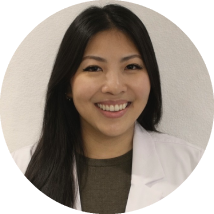
Jessica Vo, O.D.

Cindy Siu-Blancq, O.D.

Kimberly Phan, O.D.
Reviews
Contact
(949) 640-7182
Monday
8:00 AM - 5:00 PM
Tuesday
8:00 AM - 5:00 PM
Wednesday
8:00 AM - 5:00 PM
Thursday
8:00 AM - 5:00 PM
Friday
8:00 AM - 4:30 PM
Saturday
9:00 AM - 1:00 PM
Sunday
Closed
Powered by 